


MemeMix Challenge: Funny Party
4.359.00 Reviews
App Specs
- Version
- 0.0.9
- Updated On
- License
- Free
- Downloads
- 5,000,000+
- Developer
- Amobear VN Game Global
- Categories
- Casual
- Platform
- Android
Screenshots
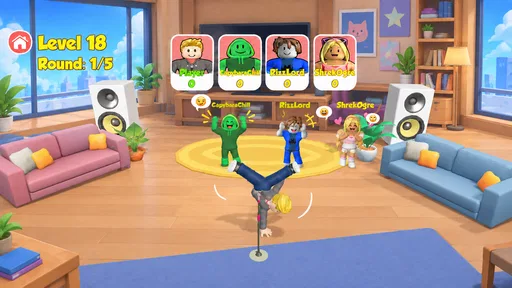
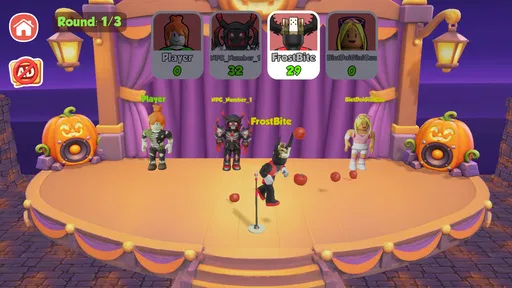
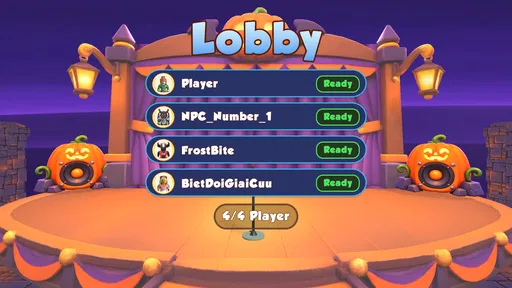
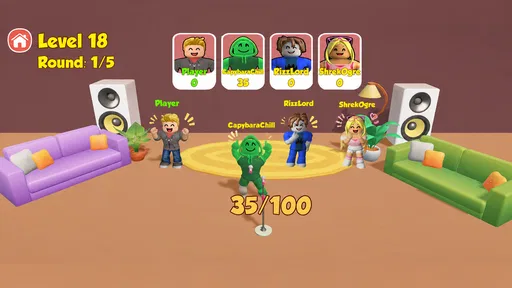
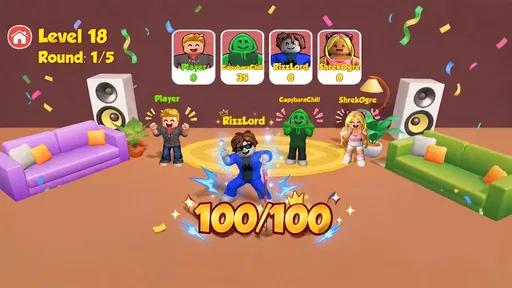
 Analysis by AppCompare
I like party games that turn a quiet room into a silly contest without asking everyone to learn a complicated rulebook. MemeMix Challenge: Funny Party is built around that simple appeal: players mimic humorous sounds, then see how their attempts are scored. It is a casual game from Amobear VN Game Global, and its best setting is a group of friends who are happy to make noise, laugh at imperfect performances, and take turns being the punchline.
That focus also defines the game’s limits. This is not the sort of title I would choose for a thoughtful solo session or a long-term strategy challenge. Its fun depends on the people around you and on whether the sound-mimicking premise lands with them. If you want a low-effort icebreaker, it has a clear reason to try; if you want a deep progression system or a quiet game to play privately, you may be better served elsewhere.
Why the social setup matters
Before installing it for a gathering, I would think about who is likely to enjoy performing rather than merely watching. This game makes the person holding the phone the focus for a moment, which can be charming among close friends and uncomfortable in a group of new acquaintances. A small, familiar circle is often a better first test than a large party where people may feel put on the spot.
It can also work as a short activity for a family visit, provided everyone is invited rather than volunteered. Younger players may enjoy the silliness, while adults can join in without needing gaming experience. The Everyone age rating is reassuring for a broad audience, but it does not remove the need to consider whether people are comfortable making sounds in front of others.
How a round works best in a real group
I find a round works best when the group treats the score as a nudge rather than the point of the game. Letting one person show how the sound-mimicking idea works, then inviting others to join at their own pace, makes the first turn feel less like a performance test. A little shared encouragement can turn even an awkward attempt into a good moment; the next section looks at the small preparations that help keep that easy mood going.
Make the first turn easy
The basic idea is immediately understandable: imitate a funny sound and receive a score. That makes it easy to hand the phone to someone who has never played before. I would start with a relaxed group and let the first person demonstrate the idea rather than explaining it at length. A quick example usually tells everyone what kind of silliness is expected.
The game’s appeal is less about producing a perfect impression than about giving people a reason to react. A hesitant attempt can be funnier than a polished one, especially if the group is willing to cheer people on instead of judging them harshly. That social dynamic matters: the scoring gives a round an outcome, but the entertainment comes from the performances and the reactions around them.
Worth Reading Before You Choose

Baby Panda World Brings Quick Play to Modern Phones, but Its Game Library Feels Busy

ESPN’s Live Game View Makes Following Close Games Easier

QuizzLand Review: A Good Fit for Short Trivia Breaks, Not Every Player

Basketball Stars: Multiplayer Is Fast, but Can It Recover When Matches Go Wrong?

WEBTOON Turns Phone Updates Into a Better Reading Routine

Link to Windows Runs on Shared Habits, Not Social Feeds
For an everyday use case, imagine waiting for friends to arrive before dinner. Rather than starting a game that needs a long setup or a shared screen, one person can introduce this as a short turn-taking activity. It works best as a small burst of amusement between other plans, not as something everyone has to commit an entire evening to.
Set expectations before passing the phone
Because the central activity involves making sounds, the room itself can affect how comfortable the game feels. I would avoid springing it on someone who dislikes performing, and I would keep the mood playful rather than treating scores as a serious contest. In a group that enjoys improvisation, the premise is an advantage; among people who would rather stay quiet, it can become awkward quickly.
It is also worth agreeing on a simple turn-taking rhythm. Decide who goes next before starting, and keep the phone moving rather than letting one person dominate. That small habit reduces dead time and helps the game feel like a shared party activity instead of a sequence of people waiting for their turn.
For a mixed-age gathering, the Everyone content rating makes it suitable for a broad audience, though comfort with performing is still a personal matter. I would invite people to join rather than insist that everyone participate. Watching and laughing can be part of the fun, too.
Keep the session short enough to stay funny
Sound imitation is a deliberately narrow hook, and that is both its strength and its main source of repetition. A few lively turns can make a memorable break; stretching the same activity too long may make the jokes feel familiar. I find it helps to stop while the group is still having fun and return to the game later, rather than expecting one simple premise to carry a full gathering.
That makes it a better fit for a casual party moment than for a conventional mobile game session. Compared with a quiz, it asks less knowledge of players and creates more spontaneous comedy. Compared with a standard multiplayer action game, it places less emphasis on reflexes and more on willingness to perform. The trade-off is that it offers less to do if the group’s energy fades.
Choose a setting that suits the sound
The same sound-based premise can feel very different depending on where you play. At home, a relaxed living room gives people space to be silly without worrying about bothering strangers. At a café, on public transport, or in a shared quiet space, I would leave it alone; a game that asks players to make sounds is not a considerate choice in every setting.
Background noise is another practical consideration. A loud room can energize a party, but if conversation or music drowns out the player’s attempt, people may miss the joke and the score becomes less satisfying. I would pause the music or shift to a quieter corner rather than keep turning up the volume. That small adjustment preserves the group atmosphere while making each turn easier to follow.
Small habits that improve the experience
My most useful habits are simple: check that the game opens before people gather, choose a spot where sound is welcome, and agree on an easy order for passing the phone. I also like to keep turns moving without rushing anyone, so quieter players get room to join and the session does not hinge on one person. Those repeatable choices matter more than trying to optimize a casual party game.
Check the practical details before play
The game is free to download, with in-app purchases listed at $1.99 per item. I would check the purchase controls on the device before passing it around, particularly if children will be playing or several people share a phone. That is a sensible general precaution for any game with optional purchases, and it avoids turning a quick party round into an account-management interruption.
The current version is 0.0.3, so I would approach it as an early-stage release rather than assume every part of the experience is already polished or settled. The minimum operating-system requirement is 7.1. Before planning a group session, it is practical to install the game and open it once on the device you intend to use. That simple check is more useful than discovering a compatibility or startup issue just as everyone is ready to play.
I would also choose the device and setting with the game’s sound-based premise in mind. A lively room can make performances more entertaining, but too much background noise may make it harder to focus on what someone is attempting. A quieter corner of a gathering can be a better compromise than trying to compete with music or conversation.
Use repeatable turn-taking, not invented shortcuts
There is no need to build an elaborate routine around a casual game. The most reliable way to keep a session moving is to establish a simple order, give each person a chance, and pass the device promptly. If a round gets bogged down in debating the score, move on; the point is shared amusement, not a courtroom appeal over who made the best sound.
One useful group habit is to let the next player get ready while the current turn is wrapping up. That cuts pauses without requiring anyone to rush their performance. Another is to keep commentary brief until everyone has had a turn, then trade favorite moments afterward. This gives quieter players a chance to participate before the loudest person takes over the conversation.
For a family visit or a casual get-together, I would also keep the game optional. Offer it as one activity among several, and let people step in or out. This is a better approach than trying to make a sound-based challenge work for someone who clearly does not enjoy being the center of attention.
Make a quick pre-play check a habit
For a smoother start, I would open the game before guests arrive, confirm that the intended device is ready, and make sure its volume is appropriate for the room. That is not a special in-game trick; it is a simple way to avoid troubleshooting while everyone watches. If the phone is shared, I would also agree in advance who holds it and when it gets passed on, so nobody has to interrupt the flow to negotiate.
It is worth deciding what counts as a comfortable level of participation, too. Some people may want to take a turn, while others would rather judge the performances or laugh along. Letting the group settle into those roles naturally keeps the activity welcoming. The trade-off is that a more spontaneous session can feel less organized, but that is usually preferable to making the game feel like an obligation.
Know when another kind of game is a better choice
If your group prefers structured competition, a trivia game may be a better fit because it rewards knowledge and gives quieter players a clear way to contribute. If people want a shared activity without performing, a puzzle or cooperative game is likely more comfortable. MemeMix Challenge is most convincing when the group wants spontaneous, slightly ridiculous moments—not when everyone is looking for a serious contest or a deep solo experience.
The game has an average rating of 3.5 from 495 ratings, with 15 written reviews, and it has passed 1 million installs. Those figures suggest that it has found an audience, but they should not be treated as a guarantee that every group will enjoy the same premise. The key question is less whether the concept is understandable and more whether your friends are willing to make funny sounds in front of one another.
What the scoring can and cannot do
Scoring gives each attempt a little structure, which can make the activity feel more like a challenge than an unplanned joke. Still, I would not let a number decide who was funniest. In a party setting, the most entertaining moment may be an unexpectedly bad impression or a reaction from the group, neither of which needs to match a score perfectly.
That distinction is important if you are introducing the game to people who are competitive. Treat the score as a prompt for friendly teasing, not proof of who has better comic timing. If a player feels embarrassed by a result, shift the focus back to the performance and keep the next turn moving. The game works better when the group supplies the warmth that a scoring system cannot.
I also would not assume that a sound-based idea automatically makes the game suitable for every environment. It is a poor choice in a library, a quiet waiting room, or any place where loud play would disturb others. At home, in a relaxed gathering, or during a suitable break with friends, the same quality becomes the central attraction.
Who should try it—and who should pass
I would recommend giving it a try if you want a free casual game that can start a silly group activity with very little explanation. It may suit friends who enjoy impressions, families looking for an informal shared distraction, or hosts who want a brief icebreaker. The game’s appeal is social, so having willing players matters more than being an experienced mobile gamer.
I would skip it if you mainly play alone, dislike vocal performance, or want a game with a strong sense of long-term development. The narrow sound-mimicking premise can also wear thin if you expect a large variety of activities from one title. Those are not small caveats: they go directly to whether the basic idea suits you.
My verdict on getting the most from it
My verdict is that MemeMix Challenge: Funny Party is best treated as a pocket-sized party prompt. I would install it before a relaxed gathering, check that it opens on the intended device, and use it for a few rounds when the group needs a lift. Its simple concept is easy to share, but the people playing have to bring the energy. For friends who enjoy making each other laugh, that is enough to make it worth trying; for everyone else, a quieter or more varied casual game will probably be a better match.
In practical terms, I would choose it when the group has a spare few minutes, a suitable place to make noise, and at least a couple of people who are comfortable taking turns. If those conditions are not there, I would pick a word game, a puzzle, or another activity that lets people participate without performing. That is the clearest way to judge whether this particular casual game belongs on your phone: not by expecting it to entertain every crowd, but by matching its playful premise to the right moment.
Pros
- Quick rounds make it easy to play during short breaks or between other activities.
- A simple format helps new players join without a lengthy tutorial.
- Funny prompts can spark conversation and give groups plenty to react to.
- Works well as a casual icebreaker at parties and small gatherings.
- Its lighthearted theme suits players looking for low-pressure entertainment.
Cons
- The humor may not land equally well with every group.
- Repeated prompts can make sessions feel less fresh over time.
- It is more enjoyable with other people than as a solo activity.
- Some players may feel awkward being put on the spot.
- The appeal may be limited if you prefer games with strategy or progression.
FAQs for MemeMix Challenge: Funny Party
What is MemeMix Challenge: Funny Party?
MemeMix Challenge: Funny Party is a casual party-style game built around meme-inspired prompts and humorous challenges. It is intended for quick, social play rather than a deep single-player campaign, so it may suit gatherings or short breaks with friends. The exact activities and available modes can vary by version, so check the app’s store listing and in-game description before downloading.
Can I play MemeMix Challenge: Funny Party with friends?
The party-focused concept suggests that MemeMix Challenge is designed to be more enjoyable when people can share the jokes and take part in the challenges together. Before inviting friends, check whether your version supports local multiplayer, online play, or simply passing one device between players; these options are not interchangeable. Also review the player-count details and any connection requirements shown in the store listing.
Is MemeMix Challenge: Funny Party free to download?
Whether the game is free, paid, or supported by optional purchases can depend on the platform and region. Even when an app is free to install, it may include advertisements, in-app purchases, or features that require payment. Check the current Google Play or Apple App Store listing for pricing, purchase information, and recent user feedback so you know what to expect before installing.
Does MemeMix Challenge: Funny Party work offline?
Offline availability is worth checking if you plan to play at a party or somewhere with limited internet access. Some party games run entirely on one device, while others need a connection for online rooms, content updates, or other features. The store listing may describe network requirements, but you can also check the game’s settings or support information to confirm which parts work without internet.
What should I check before downloading MemeMix Challenge: Funny Party?
Before downloading, confirm that your Android or iOS device meets the game’s requirements and has enough free storage. Review the app’s age rating, privacy information, requested permissions, and any advertising or purchase disclosures. Because meme-based humor and user-facing content may not suit every audience, it is also sensible to check screenshots, the description, and recent reviews for details about the tone and gameplay.


